Photography Tips
Six Types of Hotel Photography and When to Book Each One
Unlock your hotel's full potential by strategically choosing the right photography type to enhance your brand and effectively attract more guests.
By Hospitality Lens · · 15 min read
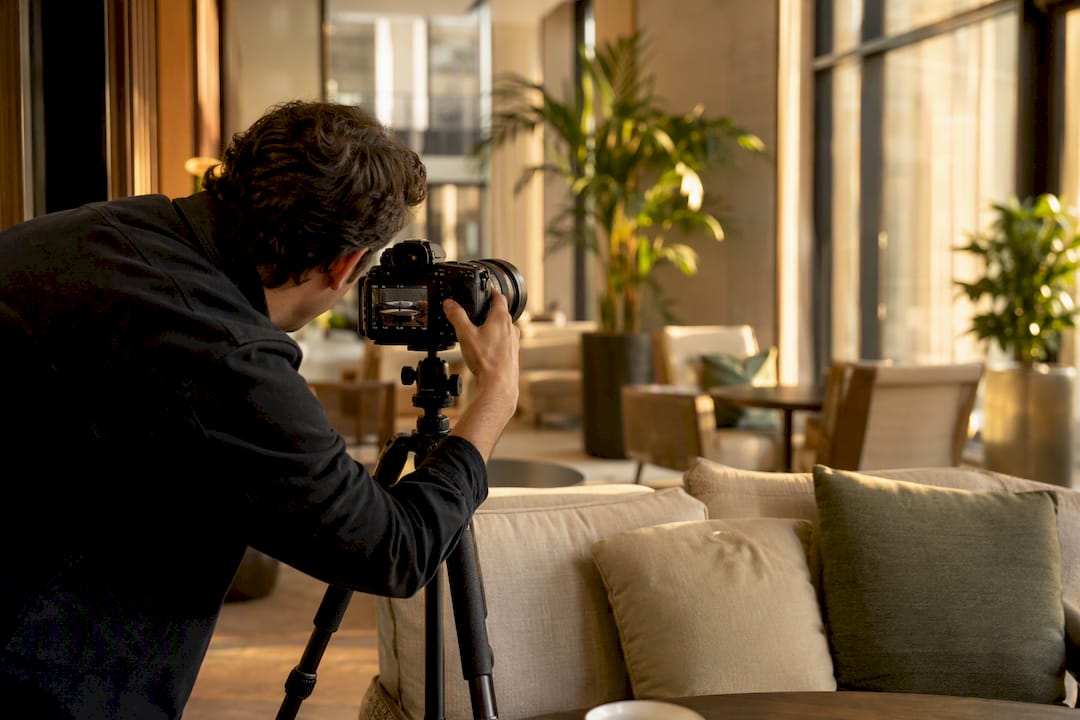
Hotel photography breaks into six distinct types: architectural, lifestyle, interior lifestyle, food and beverage, social-first, and events. Each one solves a different marketing problem, and mixing them up is how hotels end up with a $15,000 shoot that still can’t sell a room.
Here’s the quick map:
- Architectural: brand-building hero shots for your website and PR, built to last years.
- Lifestyle: narrative images with models that sell the experience, not just the room.
- Interior lifestyle: a staged-but-empty middle ground when a full lifestyle shoot isn’t in the budget.
- Food and beverage: styled hero shots of your restaurant and bar program.
- Social-first: fast, vertical, disposable content built for Instagram and TikTok.
- Events/weddings: documentation or stylized moments for a specific booking segment.
Real estate photography is transactional. It shows a room exists and answers “what will I get.” Architectural photography is experiential. It answers “how will I feel,” and that’s why it holds its value on your site for years instead of months. On the numbers side, most properties need a hero image for every room type plus at least one bathroom shot per room category just to meet baseline OTA expectations.
Key Takeaways
The right hotel photography type depends entirely on where the image will be used, and mismatching type to channel is the most common budget-wasting mistake marketing teams make.
| Point |
Details |
| Match type to channel |
Use architectural for brand pages, lifestyle for social and ads, clean OTA versions for booking platforms. |
| Build the minimum shot list |
Cover a hero image per room type, one bathroom shot per room type, and three to five F&B images. |
| Phase your production |
Shoot architectural foundations first, then layer in lifestyle and social refreshes over time. |
| Staging outranks editing |
Fix clutter, linens, and lighting on-site before the shutter clicks rather than relying on post-production. |
| Know when to skip the shoot |
Use enhancement for refreshes and onboarding with usable photos; book a photographer for launches and architectural work. |
Table of Contents
What Each Hotel Photography Style Is Actually For
Understanding hotel photography types explained in isolation doesn’t help if you don’t know what each one is supposed to deliver. Here’s the creative brief behind each discipline, and where the resulting assets actually get used.
Architectural photography is about composition and restraint. It leans on wide horizontal hero shots, careful verticals and horizontals, tripod work, and often HDR blending to balance interior light against exterior views. These images have the longest shelf life of any hotel photography type, often two to four years, which is why they belong on your homepage, in press kits, and in printed collateral. Budget for a specialist who understands architectural lighting, not a generalist with a good camera.
Lifestyle photography tells a story instead of documenting a room. It requires casting real or professional models, wardrobe direction, and a script for what guests are doing, lounging by the pool, ordering room service, checking in at the desk. Because lifestyle shoots require substantially more planning than a straight room shoot, a competent photographer will always deliver two versions: the narrative shot with people for your website and social channels, and a clean, people-free version for OTA listings that reject images with identifiable guests.
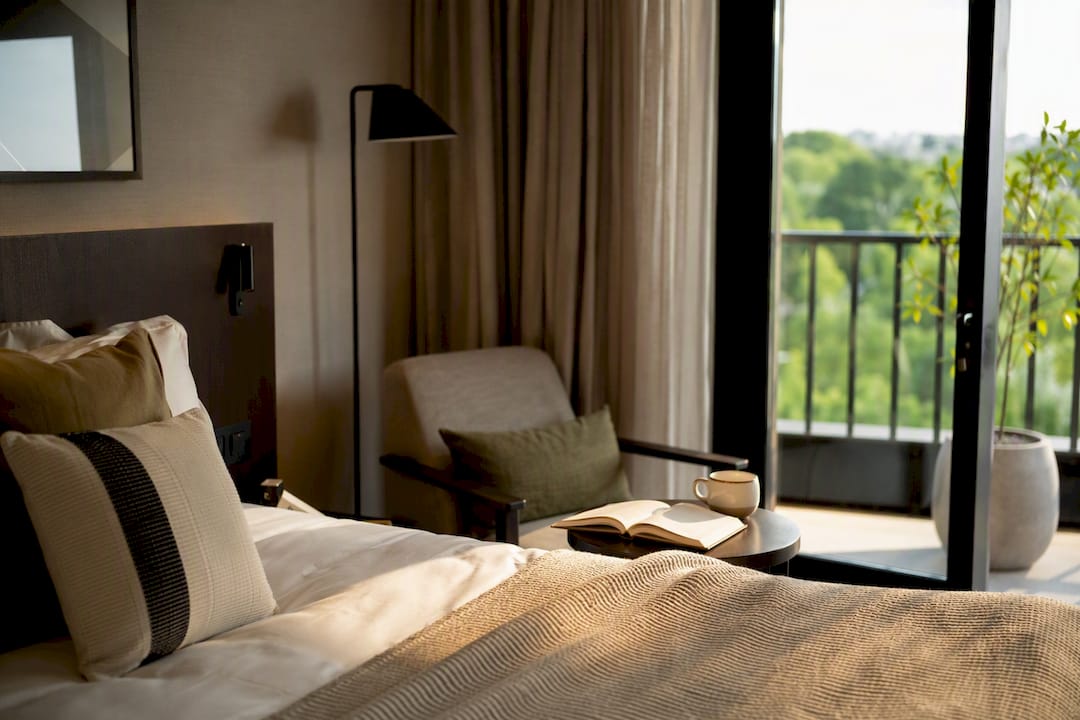
Interior lifestyle sits between the two. Think a perfectly staged bed with a book left open, a coffee cup on the balcony rail, no humans in frame. It’s a legitimate cost-saving substitute when full lifestyle is out of reach, since it needs staging but not casting or model releases.
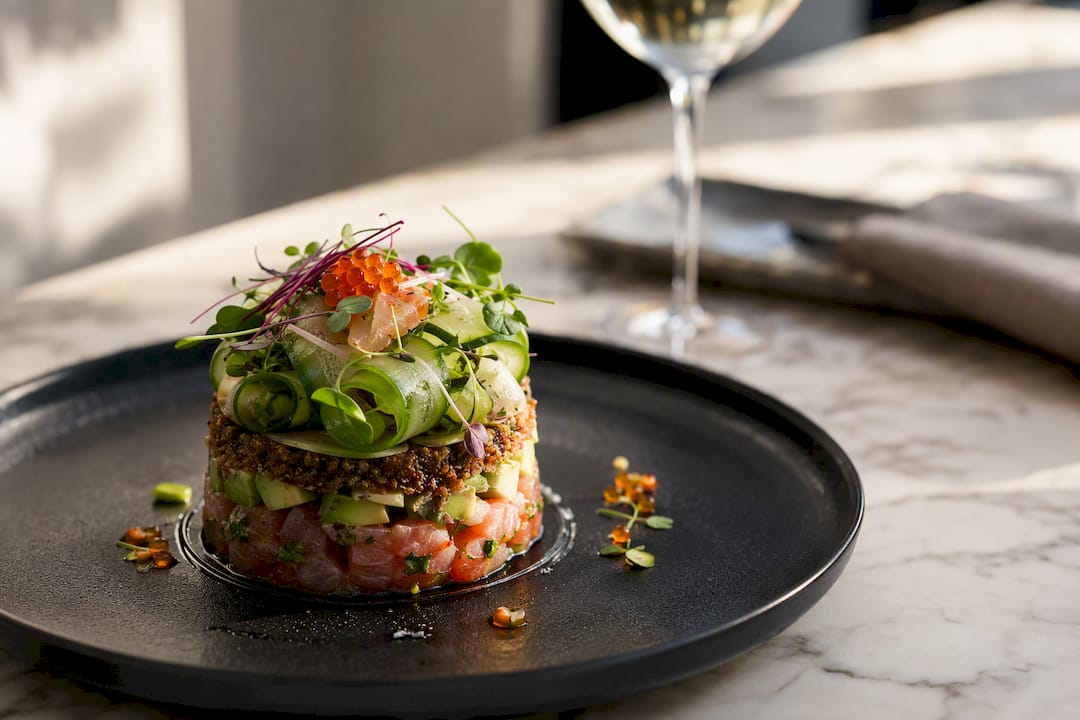
Food and beverage photography is its own specialty. It demands a food stylist, careful plating coordination with your kitchen, and macro-capable lenses for close-up texture shots. Skimping here shows immediately, flat lighting on food reads as unappetizing faster than almost any other image category.
Social-first photography prioritizes speed over polish: vertical 9:16 crops, quick turnaround, shot with an eye toward how it will crop into a Reel or Story.
Events and weddings split into two modes: documentary coverage of an actual event, and stylized “hero moment” shots staged for marketing. The second requires signed model releases even when using real couples.
The Shot List Every Hotel Should Brief
A usable image library isn’t a random folder of pretty pictures. It’s a checklist built around how each asset gets used.
- One hero image per room type (standard, deluxe, suite), landscape orientation, for OTA and website carousels.
- At least one bathroom image per room type, since bathroom quality is a documented driver of booking hesitation when omitted.
- Lobby, gym, and pool, one to two strong images each.
- Exterior daytime shot, plus an optional golden-hour or sunset exterior for brand pages.
- Three to five food and beverage hero images if you operate a restaurant or bar.
- Each zone of a suite shot separately: bedroom, living area, and balcony each need their own frame, not one wide shot trying to capture all three.
Deliverable formats matter as much as content. OTAs want landscape, people-free images at web resolution; your own site and print collateral want high-resolution masters; social wants vertical crops. Booking platforms and owned channels have different technical requirements, so build that into the brief up front rather than re-shooting later.
Before the photographer arrives, confirm model releases for any staged lifestyle talent, lock in access windows for guest-occupied areas, walk the property for maintenance issues, and rank your shot list by priority in case weather or time runs short.
Pro Tip: Hand your photographer a written priority order, not just a shot list. If golden hour gets cut short by weather, you want the photographer skipping the gym, not your top-tier suite.
Budgeting Time and Money Across Photography Types
Architectural work needs a specialist comfortable with off-camera lighting and HDR blending, often supported by a production assistant to manage light stands and reflectors. Lifestyle shoots need that same crew plus a casting or talent coordinator and someone managing wardrobe continuity. Food and beverage work needs a stylist on set, full stop.
Time estimates, conservatively: budget 30 to 45 minutes per standard room, 60 to 90 minutes for a suite with multiple zones, two to three hours for a full F&B setup with styling, and a tight golden-hour window (roughly 30 to 40 minutes) for the best exterior light.
Budget tiers roughly break down as:
- Low tier: a single photographer, natural light only, minimal staging, covers essential room and common-area shots.
- Mid tier: added lighting equipment, a half-day for lifestyle or F&B, two format variants per image.
- High tier: multi-day production, casting, styling, full architectural lighting rigs, and a complete cross-channel deliverable set.
The smartest phasing strategy is architectural first, since it’s your longest-lasting asset, then layering in lifestyle, F&B, and social content as ongoing refreshes rather than one giant session.
Staging and Light Decisions That Actually Move Bookings
Staging beats retouching almost every time. A photographer who spends an extra 15 minutes fixing a crooked lampshade or fluffing a pillow will produce a better image than one who plans to fix it in post, because staging quality is often the single largest determinant of a hotel photo’s success, not the editing that follows.
Before any shutter clicks: iron the linens, remove personal or maintenance clutter, walk the room for scuffs and dust, and place a small number of intentional props rather than overdressing the scene. Clean, but not sterile, is the target.
Light planning matters just as much. Golden hour works for exteriors and window-lit interiors, but midday sun flattens everything and creates harsh shadows indoors. Mixing flash with ambient light smooths that out when timing golden hour isn’t possible for every room on the list.
Post-production should correct perspective, balance color, and remove distractions like exposed cables or a stray housekeeping cart. It should never invent a view, a feature, or an amenity that doesn’t exist. That line matters more than any editing trick, because a guest who arrives to a room that doesn’t match the photo standards you set online is a guest who leaves a one-star review before check-out.
When Enhancement Makes Sense Instead of a New Shoot
Not every listing update deserves a full production. If you’re refreshing an existing listing, onboarding a batch of new units, or working with usable phone photos a cleaner or owner already took, a new shoot is often overkill. That’s the specific gap HospitalityLens fills.
The workflow is deliberately low-risk: upload one photo and get an enhanced preview free, watermarked, before paying anything. Core capabilities cover lighting and color correction, perspective and horizon fixes, clutter cleanup, and removing stray people or objects, all while preserving the real room. Nothing gets invented: no new views, no added amenities, no rooms that don’t exist.
- Good fit: seasonal refreshes, multi-property onboarding, underperforming listings, portfolio-wide consistency.
- Not a fit: flagship property launches, true architectural hero shots, new-builds, or any situation where the source photos are unusable to start with.
If the source image is dark, crooked, or cluttered but structurally sound, enhancement gets you booking-ready faster than scheduling a photographer. If the source image is missing the shot entirely, no software fixes that. For that decision specifically, comparing enhancement against a new shoot case by case beats defaulting to either option automatically.
Pro Tip: Set a minimum quality bar before submitting photos for enhancement. A blurry, badly cropped phone shot won’t become a hero image no matter how good the correction tools are.
What Successful Use of Each Type Actually Looks Like
A resort chain leaning on architectural photography for its homepage and PR kit gets years out of a single well-executed shoot, since those wide hero images don’t date the way a lifestyle shot with visible current fashion or décor trends does. A boutique property using lifestyle photography for its Instagram grid and OTA description page benefits from the two-version approach: the styled narrative shot builds desire, and the clean people-free counterpart clears listing approval without friction.
Restaurants inside hotels that invest specifically in F&B photography, rather than treating the dining room like just another interior, tend to see that investment reflected in direct bookings for dining packages, because food images carry outsized weight in a guest’s decision to eat on-property versus elsewhere. Properties running active social accounts that commission dedicated social-first content, instead of repurposing architectural stills into vertical crops, get noticeably higher engagement, since vertical-native shots simply read better in a Reel or Story feed than a cropped landscape frame.
Event-driven properties that separate documentary wedding coverage from stylized marketing hero shots avoid a common trap: using a real couple’s candid photo, without a signed release, in a paid ad campaign. That’s a rights problem as much as a marketing one. The pattern across all of these examples is the same: match the discipline to the specific job the image needs to do, rather than asking one photography type to cover every use case.
How Photo Types Shape What Guests Decide to Book
A listing photo is emotional before it’s rational. A guest scrolling through search results isn’t calculating square footage first, they’re reacting to whether the room feels like somewhere they want to be. Architectural imagery sets that emotional tone at scale, since it’s usually the first thing a guest sees on your homepage or in a press mention, before they’ve even opened a booking engine.
Lifestyle imagery works differently. It answers a question the guest hasn’t consciously asked yet: what will I actually do here? A shot of someone reading poolside sells the pool as an experience, not just a rectangle of blue water. That’s a meaningfully different psychological trigger than a clean, empty pool shot, which reads more like a spec sheet than an invitation.
Interior lifestyle and F&B images tend to influence the shorter-distance decision, the moment right before booking confirmation, when a guest is checking that the room and restaurant match the story the hero images told. Inconsistency here, a gorgeous hero shot paired with mediocre room detail photos, creates doubt at exactly the point you need confidence. Social-first content plays an earlier role in the funnel, often introducing a property to someone who wasn’t searching for a hotel at all, just scrolling. Each type, in other words, is doing work at a different point in the guest’s decision path, not competing for the same job.
Matching Photography Type to Your Marketing Channel
Your website homepage wants architectural photography, full stop, because it’s the asset with the longest usable life and the highest production value per image. OTA listings want the opposite: landscape, people-free, technically clean images that meet platform requirements without ambiguity, since listing photos that don’t meet format standards risk rejection or poor placement.
Social media, particularly Instagram and TikTok, wants social-first content: vertical, fast, and native to the platform rather than repurposed. A gorgeous horizontal architectural shot cropped down for a Story loses most of what made it work in the first place. Paid ad campaigns generally perform best with lifestyle imagery, since the emotional pull of a person enjoying the space tends to outperform an empty room in click-through terms.
If your immediate goal is a website refresh with updated booking-page photos, start with interior lifestyle or clean OTA-format images rather than a full lifestyle production, since the cost-to-impact ratio favors the lighter option for that specific channel. Reserve full lifestyle and architectural budgets for brand campaigns, PR placements, and your primary landing pages, where the images will work harder and longer.
Try One Photo Free Before You Book a Full Shoot
If you’re staring at a folder of usable but unpolished phone photos and wondering whether they’re worth a full photography budget, there’s a faster way to find out. Upload one photo and see the enhanced result free, watermarked, before you spend anything. If it holds up, the completed version costs $12 with two revisions included, and that fee rolls into any pack or subscription you purchase afterward.
Current HospitalityLens pricing (USD); one-time packs — The Hero: 1 photo for $12; The Refresh: 10 photos for $59; The Property: 25 photos for $129; The Portfolio: 100 photos for $399; monthly subscriptions — THE STARTER: 10 photos/month for $49/month; THE OPERATOR: 25 photos/month for $99/month; THE PORTFOLIO: 100 photos/month for $299/month; one-time pack credits do not expire; monthly subscription credits remain valid for up to 3 months; 2 free revisions per photo on one-time packs; 3 free revisions per photo on monthly subscriptions. See current pricing.
The Real Lesson Behind the Six Types
Most advice on hotel photography types explained treats the taxonomy as trivia, useful for sounding informed in a vendor meeting but disconnected from budget reality. That’s backwards. The types matter because they’re a proxy for a much more useful question: what job does this specific image need to do, and how much production does that job actually justify?
Where conventional advice falls short is in treating every listing update as a mini-shoot. Most properties don’t need six models and a stylist to fix a dark, crooked bathroom photo that’s been sitting on a listing for two years. They need a faster, cheaper fix for that specific problem, and a properly budgeted architectural or lifestyle shoot reserved for the campaigns that actually warrant it.
Prioritize the decision, not the checklist. Ask what channel the image serves, what emotional job it needs to do, and whether your existing photos are salvageable before assuming a new shoot is the only path forward.
Sources
FAQ
What are the six main types of hotel photography?
Architectural, lifestyle, interior lifestyle, food and beverage, social-first, and events or weddings each serve a distinct marketing purpose, from long-lasting brand imagery to fast, disposable social content.
What’s the difference between real estate and architectural hotel photography?
Real estate photography is transactional and documents that a room exists; architectural photography interprets atmosphere and emotion and functions as a long-lifecycle brand asset.
How many photos does a hotel need at minimum?
A workable baseline includes a hero image for every room type, at least one bathroom image per room type, lobby and amenity shots, and three to five food and beverage images if dining is offered.
Should OTA listing photos include people?
No. OTA platforms generally require clean, people-free, landscape-format images, so lifestyle shoots should always deliver a matching clean version alongside the narrative shots.
When does photo enhancement make more sense than a new shoot?
Enhancement fits listing refreshes, multi-property onboarding, and usable owner or cleaner photos; a full shoot remains the better choice for flagship launches, new-builds, and true architectural work.
Recommended