Real Estate
Interior Design for Real Estate: Staging, ROI & Visuals
Unlock faster sales and higher offers by leveraging strategic interior design to captivate buyers and enhance property appeal.
By Hospitality Lens · · 17 min read
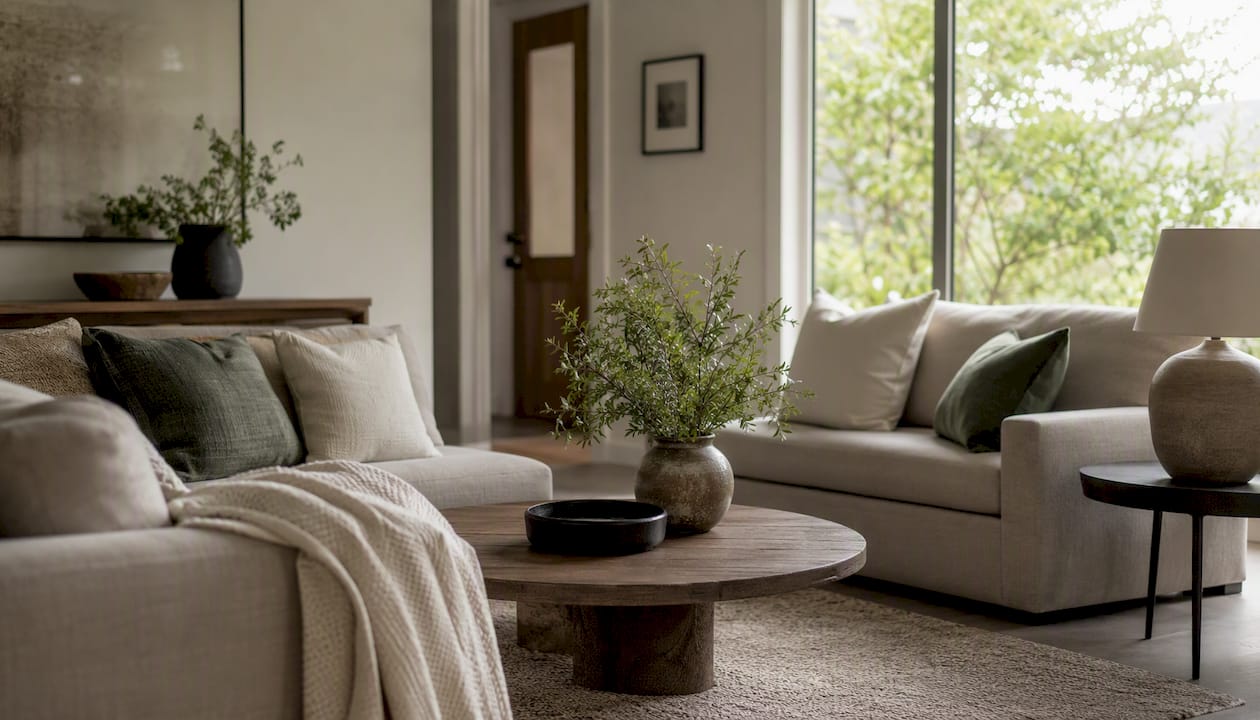
Thoughtful interior design in real estate consistently produces faster sales, stronger offers, and higher renter interest — achieved through three primary levers: staging and styling, targeted improvements, and listing photo quality. According to the National Association of REALTORS®, 83% of buyers’ agents reported that staging helps buyers visualize a property as their future home. — and more than a quarter of real estate professionals reported that staged homes netted between 1% and 10% more in offered dollar value, with about half of real estate professionals reported that staged homes sold faster… These are not decorating outcomes. They are business outcomes, and they are measurable.
Key Takeaways
Interior design in real estate delivers measurable results when you prioritize staging, targeted improvements, and listing photo quality over full renovation.
| Point |
Details |
| Staging drives buyer behavior |
83% of buyers’ agents say staging helps buyers visualize the property as their future home. |
| ROI range is real but variable |
Some staged homes netted 1%–10% more in offered dollar value; about half sold faster. |
| Match strategy to use case |
Flips need targeted renovation; occupied listings need declutter and lighting; STRs need photo-ready styling. |
| Photos are the first decision point |
Prepare the space first, then shoot or enhance — AI tools can fix lighting and clutter but not missing staging. |
| Avoid trend over-investment |
Neutral bases with trend accents appeal to the widest buyer pool and hold market value longer. |
Table of Contents
How interior design in real estate changes buyer behavior and sale metrics
Buyers make emotional decisions before they make rational ones. When a room is well-lit, proportionally furnished, and free of clutter, a buyer stops analyzing square footage and starts imagining their life there. That mental shift — from evaluating to wanting — is what drives stronger offers and shorter time on market.
The mechanism is straightforward. Staging removes friction from the visualization process. A vacant room with bare walls reads as smaller and colder than it is. A room with appropriately scaled furniture, warm lighting, and a few considered accessories reads as livable. That difference in perception translates directly into buyer confidence, which translates into offers closer to or above list price.
Agents and investors tracking design impact should monitor these metrics before and after any staging or improvement effort:
- Days on market (DOM): the clearest signal of buyer interest
- Listing views and saves: available through MLS platforms and Zillow agent dashboards
- Showing requests per week: a leading indicator before offers arrive
- Offer price vs. list price ratio: the most direct measure of perceived value
- Time from first showing to accepted offer: useful for occupied listings
Consider a straightforward example: a three-bedroom suburban listing sits for 22 days with no offers. The agent brings in a stager for a weekend refresh — furniture rearranged, excess personal items packed, two lamps added to the living room, and the front door repainted. The listing re-photographs and re-launches. It goes under contract in six days. No renovation. No new appliances. The HGTV staging guidance on curb appeal, lighting, and decluttering consistently identifies these as the highest-impact, lowest-cost moves available to any seller.
Which use case fits your property type?
Interior design strategy should follow the property’s business model, not a generic checklist. The right approach for a fix-and-flip differs meaningfully from what works for a short-term rental refresh or an occupied resale listing.
| Use Case |
Primary Goal |
Best Design Levers |
Who Leads |
Cost Level |
Timeline |
Expected Impact |
| Fix-and-flip |
Maximize sale price |
Neutral finishes, kitchen/bath updates, curb appeal |
Contractor + stager |
Medium–High |
4–12 weeks |
Strong price uplift potential |
| Occupied resale |
Minimize DOM |
Declutter, depersonalize, lighting, staging consult |
Agent + stager |
Low–Medium |
Weekend to 1 week |
Faster sale, modest price lift |
| Vacant high-end listing |
Justify premium price |
Full furniture rental, art, luxury accessories |
Professional stager |
High |
3–7 days setup |
Significant perceived-value gain |
| Short-term rental refresh |
Maximize occupancy rate |
Photo-ready styling, cohesive palette, amenity display |
Property manager + AI photo tools |
Low–Medium |
1–3 days |
Improved booking conversion |
| Speculative build |
Attract qualified buyers early |
Model-unit staging, visualization tools, trend-aligned finishes |
Interior designer |
Medium–High |
Concurrent with build |
Faster presale absorption |
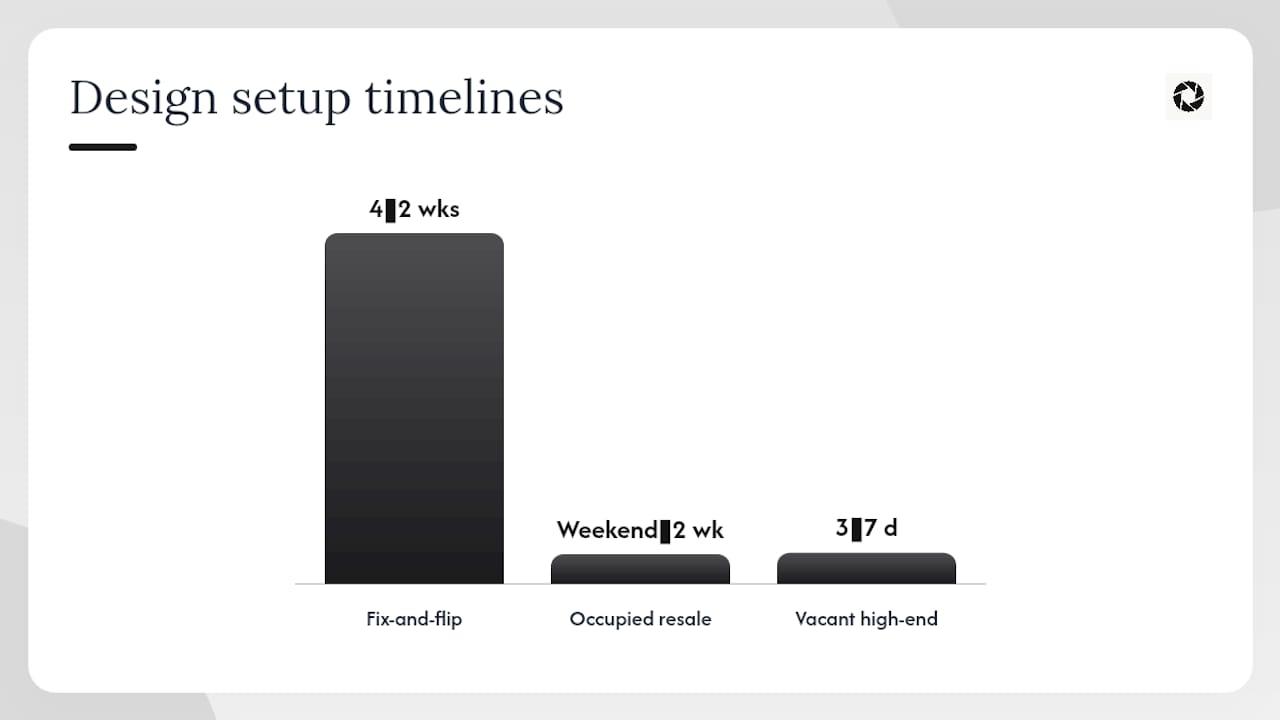
For short-term rental operators, the goal is not a sale price but a booking rate. Styling choices that read well in photos — layered bedding, clear counter surfaces, visible amenities — carry more weight than choices that feel impressive in person. That distinction matters when you are allocating a limited refresh budget.
A practical staging checklist before you list
The most useful way to think about pre-listing design work is in three tiers, each with a realistic timeline and cost expectation.
Tier 1: Quick refresh (weekend, low cost)
Declutter every surface, pack personal photos and collections, deep clean, add two or three lamps to dark rooms, repaint the front door, and mow and edge the lawn. These actions alone can shift a listing’s first impression materially.
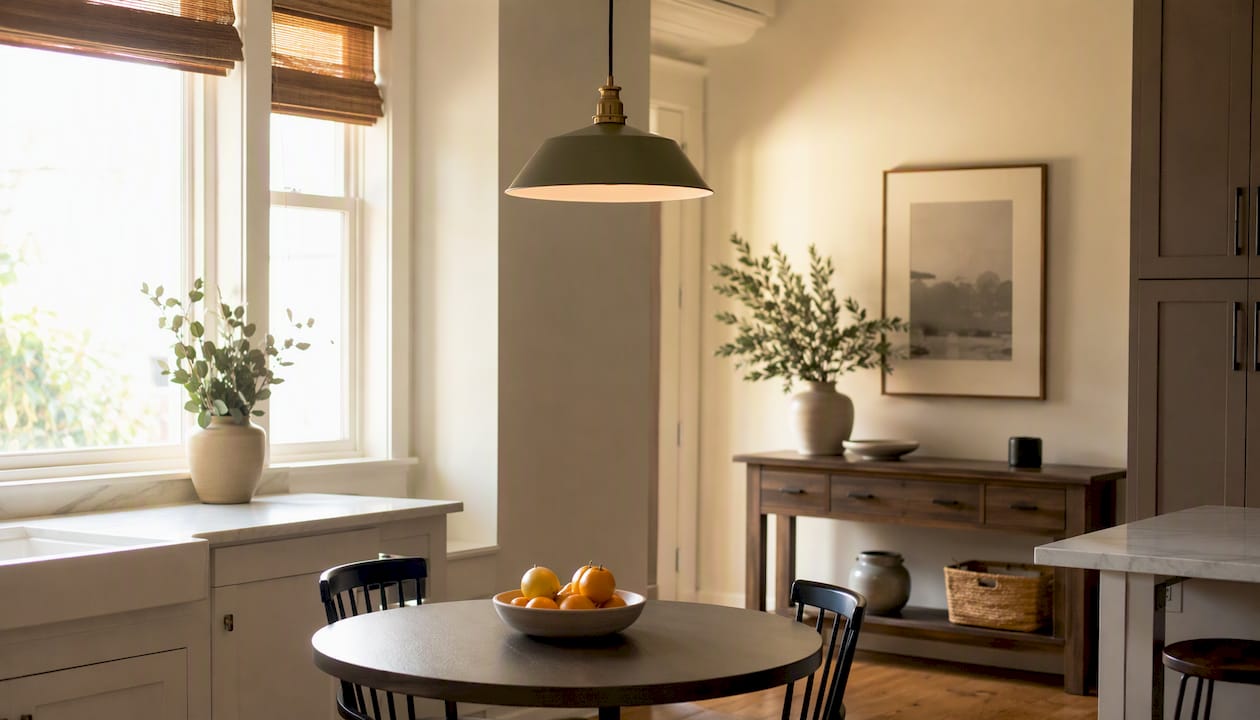
Tier 2: Staged listing (3–7 days, moderate spend)
Bring in a professional stager for a consultation or partial staging. Rearrange or remove furniture to improve flow, rent accent pieces if needed, update bedding and towels in primary rooms, and address any obvious deferred maintenance visible to a camera.
Tier 3: Targeted renovation (4–12+ weeks, higher spend)
Replace dated kitchen hardware, refinish or replace flooring in high-traffic areas, update bathroom fixtures, and repaint interior walls in a warm neutral. These investments make sense when the property’s current condition is actively suppressing offers.
Room-by-room priorities
Work through rooms in this order, which reflects buyer attention patterns:
- Entry and curb appeal: Clean the front door, add a new doormat, clear the porch, and ensure the path to the door is well-lit. Redfin’s luxury staging guidance identifies the foyer as the single most important first-impression space — buyers decide within seconds.
- Living room: Remove a significant portion of existing furniture to improve perceived space. Anchor the seating area with a rug, and add a floor lamp or table lamp to any corner that reads dark in photos.
- Kitchen: Clear countertops completely except for one or two intentional props (a cutting board, a bowl of fruit). Clean appliances until they reflect light. Replace any visibly dated hardware.
- Primary bathroom: Replace towels with white or neutral hotel-style sets. Remove all personal toiletries from counters. Add a small plant or candle if the space allows.
- Bedrooms: Use white or neutral bedding. Remove excess furniture. Ensure window treatments allow maximum natural light during the photo shoot.
- Home office: If present, style it as a functional workspace — one monitor, a tidy desk surface, and a plant. Buyers increasingly value dedicated office space.
- Outdoor spaces: Stage any patio or deck with at least one seating arrangement. Clean outdoor furniture and add a potted plant or two.
Pro Tip: Don’t neutralize everything. Staging experts recommend neutralizing walls and large furniture pieces, but leaving one or two personal-feeling accessories — a throw blanket, a stack of books — so the space reads as warm rather than vacant. The goal is a backdrop buyers can project onto, not a showroom they feel they cannot touch.
What does staging actually cost, and what return should you expect?
Budget expectations vary significantly by property type, market, and staging scope. Here is a practical breakdown by tier:
The NAR data is honest about the range: some staged homes netted between 1% and 10% more in offered dollar value, and about half of real estate professionals reported faster sales. That spread reflects real variation — a $400,000 home in a competitive market responds differently to staging than a $1.2 million home in a slow one.
To measure ROI accurately, record these baselines before any design work begins:
- Current list price and any prior price reductions
- DOM at the point of the staging decision
- Number of showings per week
- Comparable sold prices for unstaged properties in the same zip code
After relisting, compare the same metrics. The gap between pre- and post-staging DOM and offer price is your measurable return. Designer interviews consistently point to craft and restraint as the investments with the longest market appeal — meaning a well-executed neutral refresh holds its value longer than a trend-chasing renovation.
How to hire designers, stagers, and photographers without getting burned
The roles in a staging or design project are distinct, and conflating them leads to scope creep and cost overruns.
Stager: Focuses on presentation for sale. Works with existing furniture or rented pieces to create a buyer-ready environment. Best for occupied and vacant resale listings.
Interior designer: Focuses on long-term livability and aesthetic coherence. Appropriate for speculative builds, high-end flips, and short-term rental design where the goal is a distinctive, bookable identity.
Contractor or handyman: Executes targeted physical improvements — paint, hardware, flooring, fixtures. Should be scoped and contracted separately from staging.
Photographer or AI photo enhancement provider: Translates the staged or improved property into listing-ready images. The right choice depends on the property’s photo baseline and budget.
Before hiring any of these professionals, ask:
- What is included in your scope, and what triggers an additional charge?
- What is your turnaround time, and what happens if you miss it?
- Who owns the photos or design files after delivery?
- Do you offer revisions, and how many are included?
- Can you provide references from comparable property types?
Red flags to watch for: A stager or designer who cannot provide a written scope of work before starting, who quotes a vague “starting from” price without a ceiling, or who promises a specific sale price outcome is not operating professionally. Turnaround promises that seem unrealistically fast — a full staging in 24 hours, a renovation in two weeks — usually mean corners will be cut. For photo providers, watch for undisclosed AI alterations that materially change how the property appears; NAR guidance is clear that agents should disclose when listing photos have been materially altered.
For short-term rental styling versus sale staging, the negotiation is different. STR styling prioritizes photo performance and guest experience over broad buyer appeal. You can afford more personality — a distinctive color on one wall, curated local art — because you are not trying to appeal to every buyer in the market. You are trying to stand out in a search results grid.
Getting better listing photos without a full photoshoot
Many listings can improve materially without scheduling a professional shoot. The workflow is: prepare the space, shoot with a phone using best practices, enhance the images, quality-check the results, and publish.
Phone-photo best practices for listing shoots:
- Shoot from the corner of each room, at chest height, to maximize the sense of space
- Turn on every light in the room before shooting — overhead, lamps, and under-cabinet
- Shoot toward windows when possible to use natural light as a backlight, not a blowout
- Level the camera carefully — a crooked horizon makes a room look structurally off
- Clear every surface visible in the frame before you press the shutter
- Capture rooms in this order: living room, kitchen, primary bedroom, primary bath, entry, outdoor
After shooting, AI photo enhancement can address what phone cameras struggle with: uneven lighting, slight perspective distortion, residual clutter, and color casts. HospitalityLens handles lighting and color correction, perspective and horizon correction, clutter cleanup, and people or object removal — all while preserving the actual property. It does not invent rooms, add amenities, or alter architectural features. You can see real before-and-after examples to understand the realistic scope of what enhancement can and cannot do.
A practical example: an agent managing a short-term rental refresh uploads six phone photos taken by the property owner. The images are slightly dark, one has a crooked horizon, and a cleaning cart appears in the corner of the kitchen shot. After enhancement, the lighting reads consistently across all six images, the horizon is corrected, and the cart is removed. The listing goes live the same day without scheduling a shoot. For a detailed workflow on photo enhancement best practices, including when AI tools are appropriate and when a professional photographer is still the better call, the guidance is clear: if the original photos are unusable — wrong angles, structural issues, or a property that has not yet been staged — a professional shoot is worth the investment.
Pro Tip: Before uploading photos for AI enhancement, do the physical prep first. Enhancement can fix lighting and remove a stray object, but it cannot rearrange furniture or add a lamp that was never there. The better the source photo, the better the enhanced result.
When a professional photographer is still the right call: flagship property launches, architectural photography requiring specific angles, luxury listings where image quality is a direct signal of price point, and any situation where the original photos are simply unusable.
For agents managing multiple listings or a portfolio of short-term rentals, cost-saving photo workflows that combine phone shooting with AI enhancement can reduce per-listing photo costs meaningfully while maintaining consistent visual quality across a portfolio.
Which design trends are actually worth acting on in 2026?
Not every trend that appears in a design magazine translates into buyer behavior. These are the ones with measurable market traction right now:
- Warmer, earthier palettes: ASID and top designers are moving away from stark white minimalism toward warmer neutrals — greige, warm taupe, terracotta accents. For sellers, this means a warm white or greige wall paint is a safer choice than a cool gray.
- Spa-style bathrooms: Zillow’s analysis flags spa-inspired bathrooms as a leading buyer-interest driver. Freestanding tubs, rainfall showerheads, and stone-look tile are the specific features gaining traction.
- Biophilic materials and tactile surfaces: HouzzWire’s 2026 trend reporting identifies natural wood, linen, rattan, and stone as materials buyers respond to — particularly when paired with indoor plants and natural light.
- Curved furniture silhouettes: Rounded sofas, arched mirrors, and oval dining tables are replacing sharp-edged, angular pieces. These read as approachable and current in listing photos.
- Layered, lived-in interiors: Buyers are responding to spaces that feel curated rather than staged-to-sterility. Layered textiles, mixed materials, and a few personal-feeling objects create warmth without clutter.
- Immersive visualization tools: Demand for 3D walkthroughs and AR-enabled floor plans is rising, particularly for pre-construction and renovation decisions.
Pro Tip: Avoid over-investing in hyper-specific trend items — a fluted cabinet front, a specific tile pattern, or a bold accent wall color. These choices narrow your buyer pool. Trends work best as accents layered over a neutral, timeless base. A warm greige wall with a curved linen sofa reads current without alienating buyers who prefer a different aesthetic.
The Broadsheet designer interviews make a useful point here: craft and restraint consistently outperform trend-chasing in long-term market appeal. A well-made, simply styled space photographs better, ages better, and appeals to a wider buyer pool than a space decorated to match last month’s most-saved Instagram post.
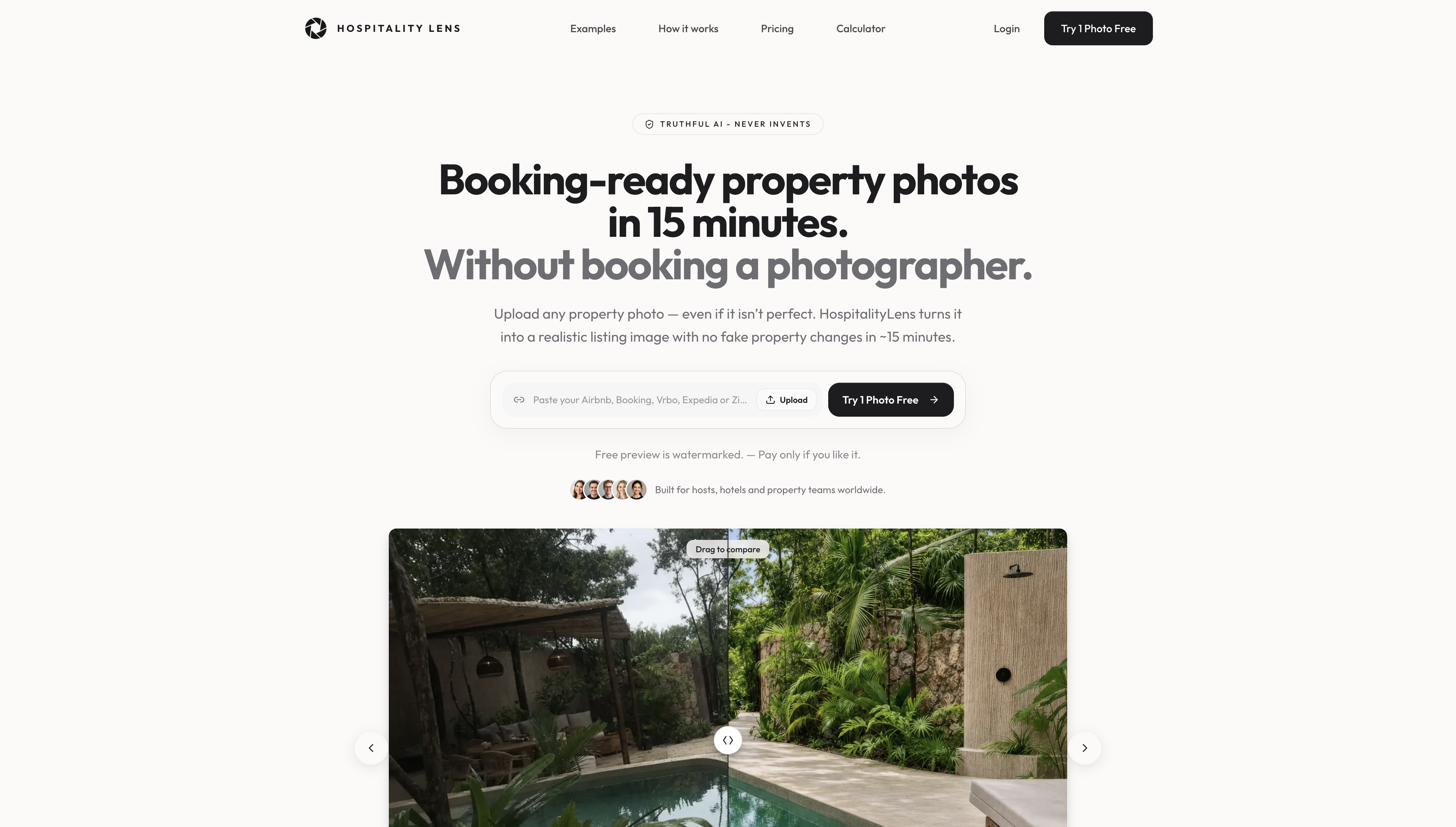
Free watermarked preview. Pay only if you like it. No card is required to create the free watermarked preview. See current pricing for unlocks, one-time packs, and subscriptions.
What the data actually tells agents and investors to do first
The conventional advice on interior design for real estate tends to go one of two ways: either “staging always pays” or “don’t over-invest in a property you’re selling.” Both are too simple.
What the research actually supports is more nuanced. Staging works — the NAR data is consistent on that — but the return depends heavily on the gap between the property’s current presentation and what buyers in that market expect. A well-maintained home in a competitive market may need only a weekend refresh and better photos. A dated property competing against newer inventory may need targeted renovation to reach the same buyer pool.
The piece most agents underestimate is the photo. A beautifully staged room photographed badly still loses clicks to a mediocre room photographed well. The listing photo is the first decision point, and it is emotional before it is rational. Buyers scroll fast. A dark, crooked, cluttered photo signals neglect before a buyer has read a single word of the listing description.
The practical priority order, based on the evidence: prepare the space first (declutter, light it, neutralize), photograph it well (phone or professional, depending on the property tier), and enhance what the camera could not capture on its own. Renovation comes last — only when the property’s condition is actively suppressing the buyer pool, not as a default assumption.
Sources
FAQ
Does interior design actually help sell a home faster?
Yes. According to the National Association of REALTORS®, about half of real estate professionals reported that staged homes sold faster, and 83% of buyers’ agents said staging helps buyers visualize the property as their future home.
Is interior design worth it for a rental property?
For short-term rentals, photo-ready styling that reads well in listing images tends to improve booking conversion more than expensive decor choices. Focus on cohesive palettes, clear surfaces, and visible amenities rather than high-cost furniture.
What is the 3-5-7 rule in interior design?
The 3-5-7 rule is a decorating guideline suggesting that objects grouped in odd numbers — particularly three, five, or seven — are more visually appealing than even-numbered groupings. It is commonly applied to vignette styling on shelves, coffee tables, and mantels during staging.
Can you combine a real estate career with interior design work?
Many agents develop staging and design skills as a competitive differentiator, either by partnering with professional stagers or by building their own eye for what sells in their market. Some licensed designers also hold real estate licenses, though the two roles carry separate professional requirements and scopes of work.
How much does home staging typically cost?
A DIY refresh can cost under $500 in supplies and rentals. A professional staging consultation with partial furniture rental typically runs $500–$2,500. Full staging with furniture rental for a vacant property can reach $10,000 or more depending on property size and market.
Recommended